

How Do You Know If a Used Excavator Is Still in Good Working Condition?
Release time: 2026-09-08
Table of Contents
Buying a used excavator is not simply a matter of checking the model year or counting the hours on the meter. Two machines of the same age can have very different working conditions because they may have been used in different environments, maintained differently, or operated under very different workloads.
For contractors, dealers, and equipment buyers, the more important question is whether the machine can continue to perform reliably on the jobsite. Engine performance, hydraulic response, undercarriage wear, working equipment, maintenance history, and actual operating behavior all provide useful clues. A careful evaluation can help buyers understand the real condition of a Used Excavator before making a purchasing decision.
Why Should You Look Beyond Machine Age and Working Hours?
Machine age is useful for establishing a general reference, but it does not tell the complete story. An older excavator that has received regular maintenance may remain productive, while a newer machine that has worked continuously in demanding conditions may already show significant wear.
Working hours are similar. A low hour-meter reading may look attractive, but it should be checked against maintenance records and the condition of major components. At the same time, a machine with higher working hours should not automatically be rejected if its engine, hydraulic system, undercarriage, and working equipment have been properly maintained.
The better approach is to treat age and working hours as starting points rather than final decisions. The actual condition of the machine should determine whether it represents a reasonable purchase.
What Can the Engine and Hydraulic System Tell You?
The engine is one of the first areas to inspect because its condition directly affects working performance. A cold start can reveal issues that may be less obvious after the machine has warmed up. Buyers should pay attention to starting behavior, idle stability, unusual smoke, abnormal sounds, and visible oil or coolant leaks.
The hydraulic system deserves the same level of attention. Excavators depend on hydraulic power for digging, lifting, swinging, and moving the working equipment. During testing, the boom, arm, and bucket should respond smoothly and consistently. Slow or irregular movement, excessive hydraulic noise, or visible leaks may indicate problems that require further inspection.
Rather than judging individual components in isolation, buyers should look at how the engine and hydraulic system perform together under normal and working conditions.
How Can the Undercarriage Reveal the Real Condition?
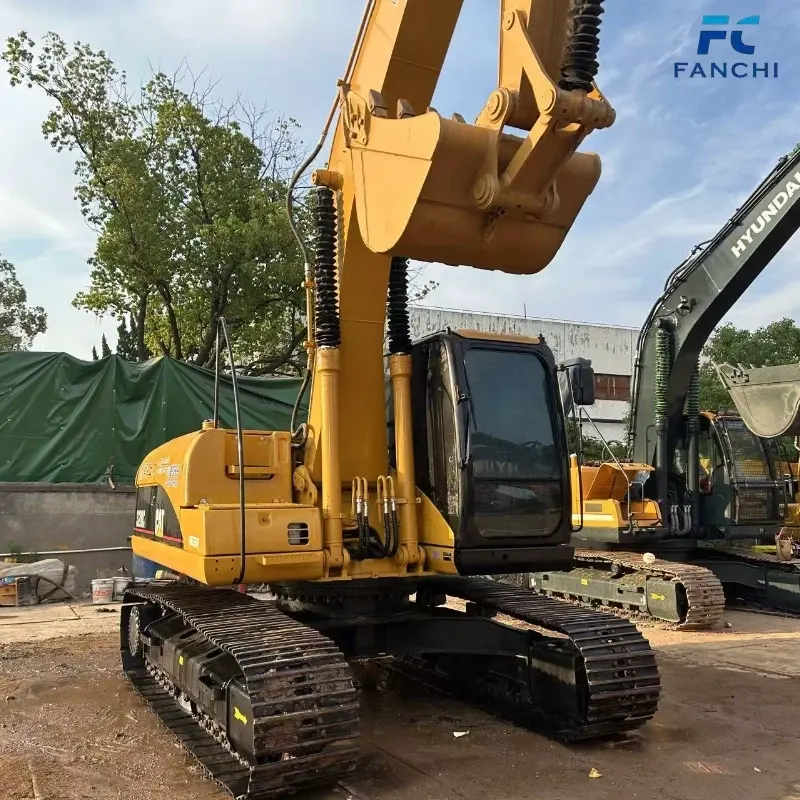
For crawler excavators, the undercarriage can provide valuable information about both current wear and previous working conditions. Track shoes, track chains, sprockets, rollers, and idlers should all be examined for excessive wear or damage.
This matters because undercarriage repairs can represent a significant additional cost after purchase. Severe wear may also indicate that the machine has spent considerable time working on abrasive surfaces, rough terrain, or other demanding jobsites.
A clean exterior should therefore not be treated as proof of good mechanical condition. Paint and cosmetic repairs can improve the appearance of an excavator without changing the condition of its working components. A closer inspection of the undercarriage can provide a much more useful indication of how much work the machine has already experienced.
What Can the Working Equipment Tell You About Machine Condition?
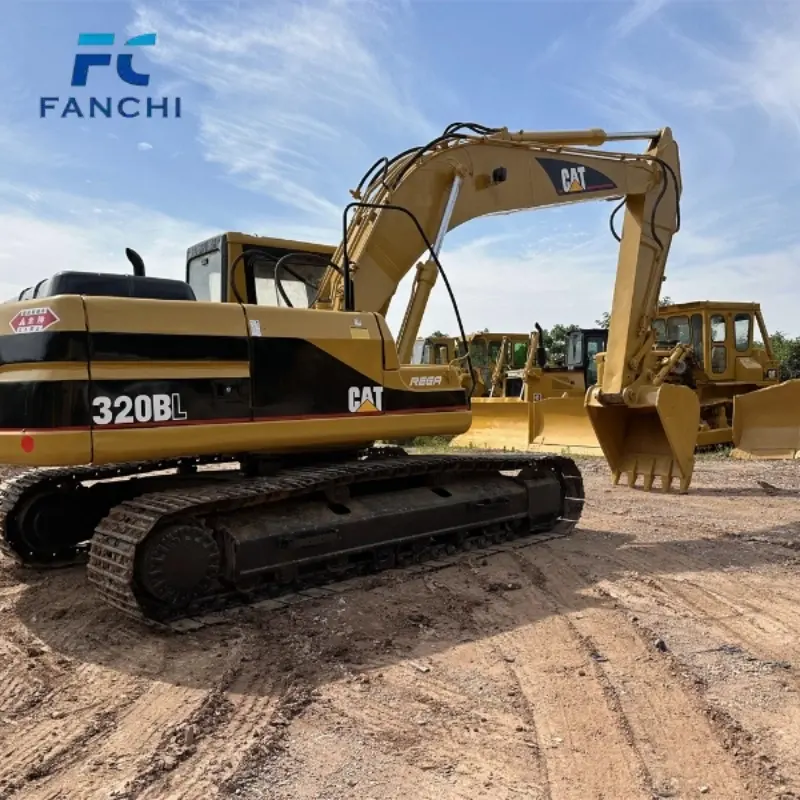
The boom, arm, bucket, hydraulic cylinders, pins, and bushings are directly involved in excavation work, making them important areas to inspect.
Look for excessive play around pins and bushings, hydraulic cylinder leakage, cracks, unusual welding marks, or visible deformation. These signs do not necessarily mean the machine should be rejected, but they can indicate previous repairs or heavy use and should be considered when evaluating the overall condition.
The bucket and its connection points are also worth checking because repeated digging and loading can gradually increase wear. What matters is whether the working equipment can still operate smoothly and maintain the required stability and precision for the intended application.
Do Working Hours Really Represent the Condition of an Excavator?
Working hours are important, but they should never be the only measurement used to evaluate an excavator.
Consider two machines with significantly different hour readings. The machine with fewer hours may have experienced poor maintenance, while the machine with more hours may have received consistent servicing and replacement of wear components. In this situation, the hour meter alone cannot tell the buyer which machine is the better investment.
A more reliable evaluation combines working hours with maintenance history, component condition, and previous application. An excavator used for general construction may experience different wear patterns from one that has spent years in quarrying, mining, demolition, or heavy earthmoving.
This is why experienced buyers look at the complete history of the machine rather than focusing on one attractive number.
Why Are Maintenance Records and Previous Applications Important?
Maintenance records help explain why a machine is in its current condition. Buyers should ask about routine servicing, engine maintenance, hydraulic system repairs, major component replacements, and other significant work performed during the machine’s service life.
Previous application is equally important. A Used Construction Excavator that has worked in a relatively controlled construction environment may have a different wear profile from one that has operated continuously in highly abrasive or heavy-duty conditions.
Understanding the machine’s history also helps buyers anticipate future maintenance requirements. If major components have recently been serviced or replaced, this may affect the machine’s value differently from one that requires immediate attention.
For used equipment purchases, maintenance history is not simply paperwork. It provides important context for interpreting what buyers see during the physical inspection.
How Should You Test an Excavator Before Buying?
A practical test should confirm whether the machine performs consistently rather than simply starting successfully.
Begin with a cold start when possible and observe the engine before it reaches normal operating temperature. Then check idle performance and listen for unusual sounds. Move through the hydraulic functions by operating the boom, arm, and bucket, paying attention to response speed, smoothness, and unusual noise.
The travel test is also important for crawler excavators. Both sides should operate properly, and the machine should respond predictably during forward, reverse, and turning movements. If the opportunity allows, a load test can provide additional information about engine and hydraulic performance under working conditions.
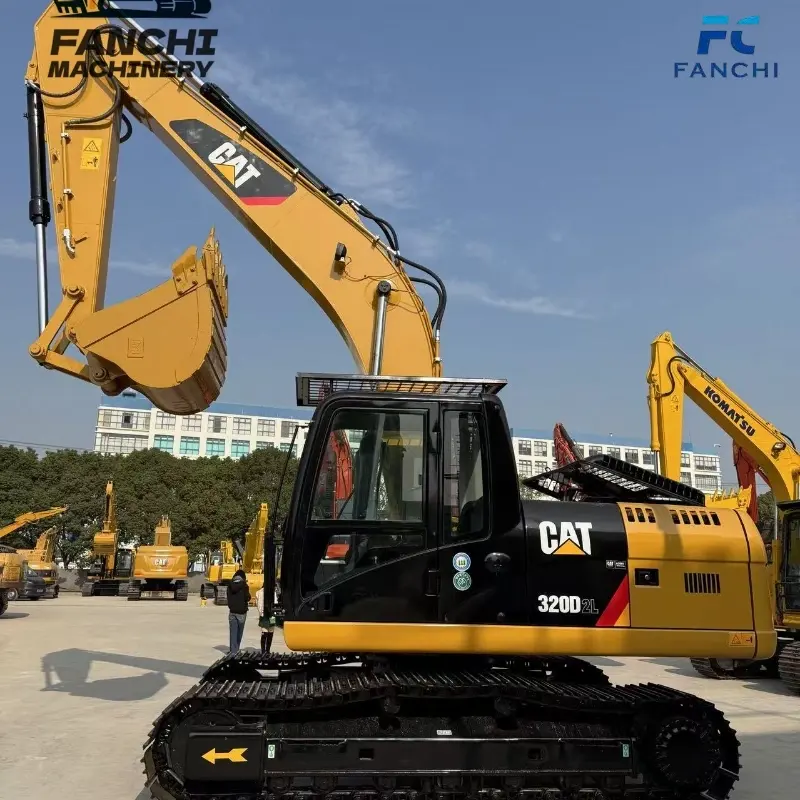
When an in-person inspection is not possible, buyers can request detailed photos, operating videos, hour-meter information, maintenance records, and clear information about the condition of major components from the supplier. When evaluating a Used Excavator for Sale, having complete equipment information makes it easier to compare machines and identify potential maintenance costs before purchase.
FAQ
How can I tell if a used excavator is in good condition?
Check the engine, hydraulic system, undercarriage, working equipment, maintenance history, and operating performance. No single factor can fully represent the machine’s condition, so these areas should be evaluated together.
Are working hours important when buying a used excavator?
Yes, but working hours are only one reference point. The hour reading should be considered together with maintenance records, previous applications, component wear, and actual machine performance.
What parts should I inspect on a used excavator?
The most important areas include the engine, hydraulic system, undercarriage, boom, arm, bucket, hydraulic cylinders, pins, and bushings. Electrical components and visible structural repairs should also be checked during a thorough inspection.
How do I check the hydraulic system of a used excavator?
Operate the boom, arm, bucket, swing, and other hydraulic functions and observe whether their movements are smooth and consistent. Also check for hydraulic oil leaks, abnormal sounds, slow response, or noticeable loss of power.
Should I buy a used excavator with high working hours?
High working hours do not automatically mean that an excavator is a poor choice. A machine with higher hours but good maintenance and properly serviced components may still provide reliable performance. Its condition and service history should be evaluated before making a decision.