

Como verificar o histórico de manutenção de uma escavadeira usada antes da compra?
Release time: 2026-10-28
Índice

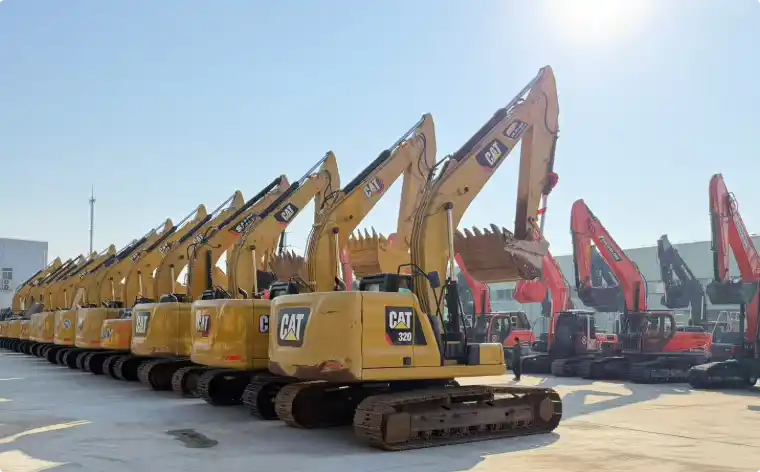
Buying a used excavator can be a smart way to control equipment costs, but the machine’s current appearance only tells part of the story. A clean exterior and a smooth test run do not necessarily mean the equipment has been maintained properly throughout its working life. Before making a purchase, buyers should look beyond the asking price and understand how the machine has been used, serviced, and repaired. Checking the used excavator service history helps reveal whether routine maintenance has been carried out, whether major components have needed repairs, and whether the available information is consistent. These details can make a real difference to future operating costs and unexpected downtime. Whether you are buying a CAT 320D, a CAT 320GC, or another model, reviewing the available records gives you a clearer basis for comparing machines and discussing the price with the seller.
Check Used Excavator Maintenance Records
The first step is to ask the seller for any available maintenance records, service invoices, repair reports, and parts replacement documents. These records can help you understand how regularly the machine was serviced and which components have received attention. Check that the dates, machine model, serial number, and descriptions of the work are consistent across the documents. Regular oil changes, filter replacements, and scheduled servicing are generally positive signs, while repeated repairs involving the same component may deserve closer attention. However, missing paperwork does not automatically mean a machine has been poorly maintained. Older equipment may have changed owners, and some maintenance may have been completed without formal documentation. The important thing is to ask questions and understand what information is available. If the seller cannot provide a complete service file, request any supporting invoices or workshop records they do have. A transparent explanation is more useful than a vague assurance that the excavator is in good condition.
Verify Used Excavator Working Hours
Used Excavator Working hours are another important part of a machine’s history, but the number displayed on the monitor should not be treated as the whole story. Compare the current hour-meter reading with figures recorded on previous service invoices, inspection reports, or maintenance documents. The readings should generally increase over time, although gaps between records are normal when a machine has not been used or serviced frequently. If a recent document shows fewer hours than an older one, ask the seller to explain the discrepancy and provide supporting evidence where possible. It is also useful to compare the recorded hours with the timing of major maintenance and component replacements. For example, a repair invoice that includes an hour-meter reading can help establish a reference point in the machine’s history. Keep in mind that low operating hours alone do not guarantee good condition. Working environments, operator habits, maintenance quality, and periods of heavy-duty use all influence wear. Hour-meter readings are most useful when they fit a consistent and believable maintenance timeline.
Review the Used Excavator Repair History
Routine servicing and major repairs should be considered separately when evaluating a machine. Replacing filters or worn hoses is part of normal maintenance, while extensive engine or hydraulic system repairs may have a greater effect on future ownership costs. Ask whether major components have been repaired, rebuilt, or replaced, and request invoices or workshop reports when available. If the same problem appears repeatedly in the records, find out whether the underlying cause was resolved or whether the machine may still require attention. A history of major repairs does not automatically make an excavator a poor purchase. In some cases, a properly completed repair with supporting documentation may be preferable to an older machine with an unknown maintenance background. What matters is understanding the nature of the work, the quality of the repair, and the machine’s current condition. When details are unclear, ask for an independent technical assessment before committing to the purchase. This gives you more information to judge the likely costs and negotiate on a realistic basis.
Cross-Check Service Documents Against the Machine
Documents are useful, but they should match the actual excavator being offered for sale. Start by checking the machine’s identification plate and serial number against the details in the available service records. Confirm that the model information is consistent and ask for clarification if any important details do not match. Next, compare the documented repair history with the machine’s visible condition and the results of a practical inspection. For example, if records mention a major component replacement, ask to see the relevant paperwork and have a qualified technician assess the component where appropriate. A test run can also help identify operating issues that are not obvious from paperwork alone. Pay attention to how the machine starts, moves, and responds to the controls, while remembering that a brief test cannot establish its entire history. If the records are incomplete, an inspection becomes even more valuable. The goal is to bring together documents, machine identification, and real operating evidence instead of relying on any single source.
Questions to Ask Before Buying a Used Excavator
Before agreeing on a price, ask the seller a few direct questions. Can they provide the maintenance and repair records currently available? Are the recorded working hours consistent with the documents? Have the engine, hydraulic pump, or other major components been repaired or replaced? Has the machine undergone a recent inspection, and can the buyer arrange a test run? These questions help establish what is known about the excavator and what still needs to be checked. It is also worth asking whether any known issues remain unresolved and whether the seller can explain gaps in the service history. Keep the answers and supporting documents together so you can compare different machines on the same basis. If a seller is unable to answer a particular question, that is a reason to investigate further rather than an automatic reason to reject the machine. Clear communication makes it easier to understand the risks before money changes hands.
How Service History Affects Your Buying Decision
Once you have reviewed the records, use them alongside the machine’s current condition, asking price, and intended workload. An excavator with consistent maintenance documentation and a reasonable repair history may be easier to evaluate because there is more evidence to support the seller’s claims. If some records are missing, consider arranging a more thorough inspection and allowing for additional uncertainty when assessing the price. If key details conflict or the seller cannot explain important repairs, pause the purchase until the information has been clarified. The same approach applies whether you are considering a medium-sized excavator for general construction or a larger machine for demanding earthmoving work. Think about the cost of ownership, not just the initial purchase price. A machine that appears cheaper may require more maintenance after delivery, while a more expensive option may offer better value if its condition and service background are well documented. No record can guarantee future reliability, but careful verification can help you make a more informed decision.
Choose a Used Excavator Supplier That Supports Inspection
A reliable supplier should be willing to discuss the machine’s available records, explain its inspection process, and answer reasonable questions about repairs and maintenance. Buyers looking for a used excavator for sale should compare not only machine specifications and prices but also the information and inspection support provided before purchase. Shanghai Fanchi Machinery Trading Co., Ltd., established in 2005, specializes in used construction machinery and reports having more than 2,000 machines in stock, along with its own repair workshop and parts warehouse. The company states that its machines undergo inspection, repair, and testing, and that customers can arrange free test drives. These services can help buyers assess available equipment more directly, although the records and condition of each individual machine should still be confirmed. Before choosing a particular excavator, ask FANCHI about the service documents available for that unit, its inspection results, and the possibility of a test run. You can explore the used excavator product range or contact the FANCHI team to discuss a suitable machine.
Perguntas frequentes
What service records should I check before buying a used excavator?
Start with maintenance invoices, repair reports, parts replacement documents, and any available inspection records. Check dates, machine identification details, and recorded working hours for consistency.
Can I trust a used excavator with low working hours?
Not based on working hours alone. Compare the hour-meter reading with available service records and assess the machine’s maintenance background, operating condition, and previous workload.
Is a used excavator with major repairs worth buying?
It can be, depending on the type of repair, the quality of the work, the supporting documentation, and the machine’s current condition. Ask for repair evidence and consider an independent inspection.
What if the seller cannot provide a complete service history?
Request any records that are available and ask the seller to explain the missing information. Arrange a more thorough inspection before making a decision, and account for the uncertainty when comparing prices.