

What to Check Before Buying Used Heavy Construction Equipment?
Release time: 2026-08-12
Table of Contents
Purchasing used construction machinery can be a practical way for contractors, construction companies, and equipment rental businesses to reduce investment costs while maintaining operational efficiency. However, unlike buying new machines, selecting Used Heavy Construction Equipment requires careful inspection and evaluation to ensure reliable performance and long-term value.
Before making a purchase decision, buyers should consider several key factors, including equipment condition, operating history, maintenance records, and suitability for the intended application. A detailed inspection process can help avoid unexpected repair costs and ensure that the equipment meets project requirements.
Check the Equipment Operating History
The operating history is one of the most important factors when evaluating used construction equipment. Machine usage hours, previous working environments, and maintenance frequency can directly affect the remaining service life of the equipment.
Equipment used in harsh environments, such as mining sites, quarries, or heavy-duty earthmoving projects, may experience greater wear compared with machines used in general construction applications. Buyers should review available operation records and maintenance documentation to understand how the machine has been used.
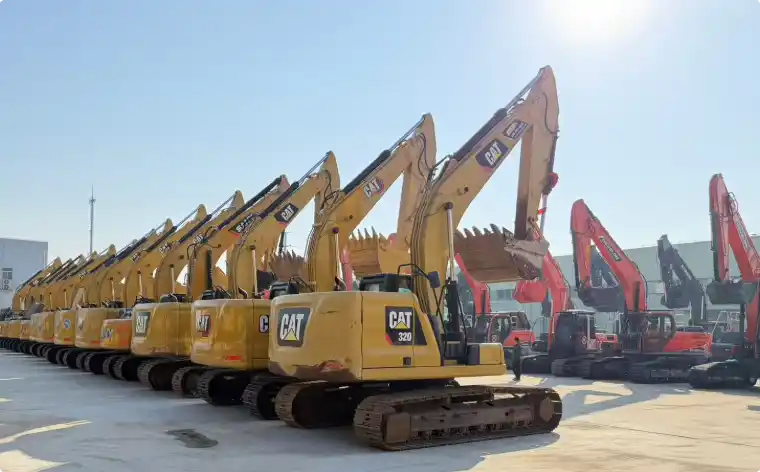
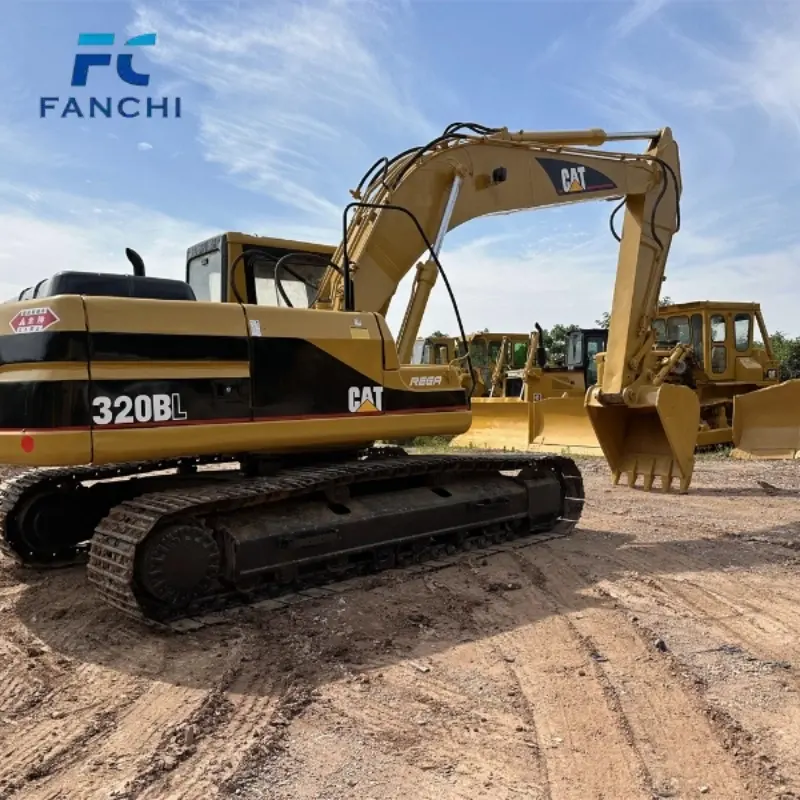
For example, when you plan to Buy Used Excavators, checking the working hours, previous applications, and service history can help determine whether the excavator is suitable for your projects. Excavators used mainly for light construction work may have different wear conditions compared with those used for continuous digging or heavy excavation.
Inspect the Engine and Main Components
The engine is one of the most critical components of heavy construction equipment. Before purchasing, buyers should check engine performance, operating sounds, exhaust conditions, and possible signs of leakage.
Important inspection points include:
- Engine startup performance
- Oil and coolant conditions
- Unusual noise or vibration
- Signs of overheating
- Hydraulic system performance
In addition to the engine, other major components such as hydraulic pumps, cylinders, transmission systems, and control systems should also be inspected. Repairs or replacements of these components can significantly increase ownership costs.
For machines such as Used Wheel Loaders, hydraulic performance is especially important because loading operations depend heavily on lifting capacity, bucket movement, and smooth control response.
Evaluate Structural Condition and Wear Parts
The external appearance of a machine can provide useful information about its working condition, but visual inspection should go beyond surface appearance.

For large earthmoving machines, buyers should carefully check:
- Cracks or damage on the frame structure
- Wear on buckets and attachments
- Condition of tracks or tires
- Looseness in joints and connection points
For example, when purchasing used Large Crawler Diggers, the condition of crawler tracks, undercarriage components, and digging attachments should be carefully evaluated. These parts are exposed to significant mechanical stress and can require costly maintenance if excessive wear is found.
A machine with normal wear from regular operation may still provide good value, while equipment with hidden structural problems may lead to higher repair expenses after purchase.
Review Maintenance Records and Repair History
Maintenance records provide valuable information about how well the equipment has been managed. Regular servicing usually indicates that the machine has received proper care throughout its working life.
Buyers should check whether records are available for:
- Routine maintenance
- Component replacements
- Major repairs
- Hydraulic system service
- Engine maintenance
A complete maintenance history can help estimate future maintenance requirements and operating costs. It also allows buyers to compare different machines more effectively when selecting between multiple options.
Test the Equipment Before Purchase
A practical operating test is essential before finalizing a purchase. Testing the machine under working conditions can reveal problems that may not be visible during a basic inspection.
During testing, buyers should evaluate:
- Machine movement and control response
- Hydraulic operation speed and stability
- Engine performance under load
- Braking and safety functions
- Operator comfort and control accuracy
If possible, testing should be performed by an experienced operator or technician who understands the equipment type and can identify potential issues.
Match Equipment Selection with Project Requirements
Different construction projects require different types of machinery. Choosing equipment based only on price may result in unsuitable performance or unnecessary operating costs.
Buyers should consider factors such as:
- Required working capacity
- Job site conditions
- Material type
- Transportation requirements
- Future project needs
For example, excavators are commonly used for digging and earthmoving, wheel loaders are suitable for material handling and loading operations, while crawler-based machines are often preferred for challenging terrain and heavy-duty applications.
Selecting the right type of Used Heavy Construction Equipment helps improve productivity and ensures better return on investment.
Make an Informed Decision When Buying Used Construction Equipment
Buying used construction machinery requires careful evaluation of mechanical condition, operating history, maintenance records, and application suitability. A thorough inspection before purchase can reduce risks and help buyers select equipment that delivers reliable performance.
Whether purchasing excavators, loaders, or other heavy machinery, taking time to check key components and verify equipment history is essential for making an informed decision. With professional experience in used construction machinery trading, Shanghai Fanchi Machinery Trading Co., Ltd. helps customers identify suitable equipment solutions based on their project requirements.